Weather Considerations for Christmas Lights Installation in Texas (2025 Guide)
Are you gearing up for the festive season and wondering how Texas weather might affect your Christmas lights installation? At DFW Christmas Light Installs, we know that understanding the local weather patterns is crucial to making your holiday decorations shine without a hitch. With our extensive experience in both residential and commercial Christmas light installations across areas like Fort Worth, Dallas, and beyond, we’ve mastered the art of tackling Texas’s unique weather challenges to ensure your holiday lights dazzle throughout the season.
In this comprehensive 2025 guide, we’ll dive into common weather conditions in Texas during Christmas, how they impact your light installations, and reveal best practices for ensuring those twinkling beauties withstand the whims of Mother Nature. So get cozy, and let us illuminate the path to a successful, stunning, and stress-free Christmas lighting setup this year!
What Are the Common Weather Conditions in Texas During Christmas?
Texas weather, especially during Christmas, can be quite the mixed bag. This vast state showcases a wide variety of conditions—ranging from mild and sunny to downright chilly or wet.
In general, you can expect cooler temperatures as winter settles in. However, don’t be surprised if some regions experience mild to warm weather (a typical Texas twist). The southern parts, closer to the Gulf of Mexico, often enjoy mild temperatures, making them feel like spring rather than winter.
Meanwhile, northern and western areas might encounter colder temperatures and even a touch of frost. Occasionally, sporadic cold fronts sweep down, bringing brisk winds and dropping temperatures sharply. While snow is a rarity, it isn’t impossible (keep your fingers crossed if you’re dreaming of a white Christmas!).
Rain showers are more frequent, especially in the eastern parts of the state. Cloudy skies are common, adding to the cozy, festive atmosphere. This variety in conditions means that planning for Christmas lights installation requires a good eye on the forecast. Understanding these typical weather patterns can help ensure your holiday decorations shine bright without any hiccups.
How Does Texas Weather Affect Christmas Lights Installation?
Installing Christmas lights in Texas can be a unique challenge—thanks to the state’s diverse climate. With its expansive size, Texas experiences temperate winters in some areas while others can be cold. During the holiday season, unpredictable weather patterns often combine mild temperatures with sudden rain, high winds, or even rare ice events.
These weather variations directly impact how you plan and execute your festive light display. In areas prone to rain, moisture can pose a risk to electrical connections, potentially leading to shorts or tripped circuits. Meanwhile, strong winds, a common feature in Texas winters, can dislodge lights or decorations if they’re not securely fastened.
Temperature swings present another hurdle. While some days might be pleasantly mild, chilly nights can cause materials—like plastic clips or light cables—to become brittle, increasing the chance of breakage. Additionally, infrequent, yet possible, ice storms can add weight to your installed lights, risking damage or collapse.
Understanding and anticipating these weather conditions is crucial. It ensures your Christmas lights not only look spectacular but are also securely installed, enduring whatever the unpredictable Texas weather throws your way. Up next, we’ll explore the best practices for installing Christmas lights in these varying conditions.
What Are the Best Practices for Installing Christmas Lights in Varying Weather?
Installing Christmas lights can be a festive endeavor, but Texas weather requires some special consideration. Weather patterns can vary, especially during the holiday season, but with the right practices, your displays can shine bright and survive the elements.
Planning Based on Weather Forecasts
Before you start, check the weather forecast. Knowing when rain, wind, or a sudden cold snap is expected helps you plan your installation. Avoid days with bad weather to prevent damage during setup.
Selecting Weather-Resistant Lights and Materials
Choose outdoor lights specifically marked as weatherproof. Look for labels that indicate they can handle wet or windy conditions. Use insulated clips and materials to protect your lights from the elements.
Safe Installation Techniques
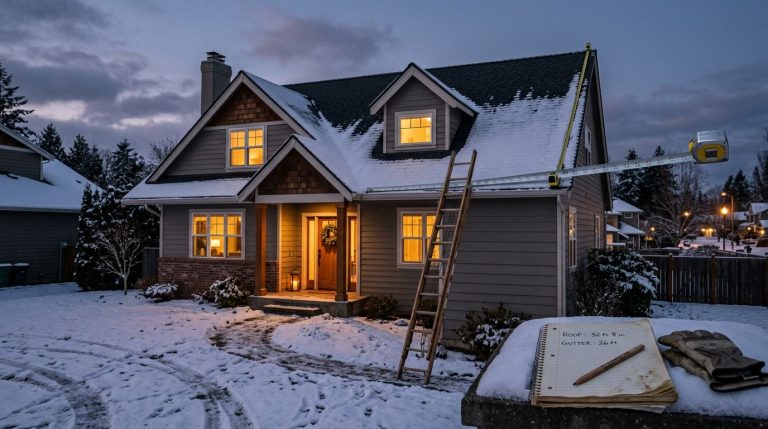
Safety comes first: use a sturdy ladder and proper tools. Ensure all connections are secure and free from physical damage. Keep electrical connections off the ground and away from puddles or snow.
Regular Maintenance and Monitoring
Regularly check your lights throughout the season. Look for frayed wires or loose connections, especially after strong winds or storms. Quick fixes prevent bigger problems later on.
Consider Using Timers and Smart Plugs
Using timers or smart plugs helps control when your lights are on, preventing overheating and conserving energy. Automated systems can also be adjusted from indoors, keeping you safe from inclement weather.
With these best practices, your Christmas display will be both beautiful and resilient, lighting up your holiday season, no matter the weather.
How Can I Weatherproof My Christmas Lights for Texas Conditions?
Texas weather can be unpredictable—shifting from sunny to stormy and back again in no time. This presents a unique challenge when it comes to outdoor Christmas lights. To ensure your light display remains dazzling (and safe) throughout the holiday season, you need to weatherproof your setup. Here’s how you can protect your lights against Texas’s varied climate:
- Choose Outdoor-Rated Lights: Always use lights labeled for outdoor use. They are designed to withstand moisture and temperature fluctuations.
- Insulate Connections: Protect plug and socket connections by wrapping them with electrical tape or using waterproof covers to prevent moisture from seeping in.
- Use Weatherproof Clips: Instead of nails or screws, use plastic clips specifically designed for holding lights. They reduce the risk of damaging your house exterior and are more resilient against high winds.
- Seal with Silicone: Apply silicone around light bulb bases and connections to block water ingress which can cause electric shorts.
- Elevate Extension Cords: Keep extension cords off the ground by using hangers or running them through trees/bushes to avoid waterlogging or snow coverage.
- Install GFCI Outlets: Ground Fault Circuit Interrupter (GFCI) outlets cut power in case of water contact, providing an essential safety measure.
- Anchor Light Displays: Secure larger light decorations with stakes or sandbags to ensure they stay put during strong winds.
- Regular Checks: Routinely inspect your lights and connections for signs of wear or water entry, especially after a storm.
By taking these steps, you can enjoy a beautiful and safe holiday light display, no matter what Texas weather throws your way.
What Safety Measures Should I Take for Installing Lights in Texas Weather?
Setting up Christmas lights might sound like a festive task, but in Texas, unpredictable weather can make it tricky. Ensuring safety is key to a successful installation.
Prepare for Varying Weather Conditions
Texas weather is unpredictable—one day it’s sunny, the next it might be stormy. Check the weather forecast before you start. Avoid installation during rain or high winds. These conditions can be dangerous and compromise the electrical safety of your setup.
Choose Weather-Resistant Equipment
Not all lights are made equal. Make sure to use outdoor-rated, weather-resistant lights and extension cords. These are designed to handle moisture and extreme temperatures better than indoor ones.
Secure Your Installations Properly
Wind can be vicious, especially in open areas. Secure lights and decorations firmly using clips, not nails or staples. This prevents them from being damaged or falling during a storm.
Protect Electrical Connections
Keep all electrical connections off the ground and safe from water. Use outdoor-rated insulated tape to cover connections or invest in weatherproof covers for added protection.
Regular Inspections Post-Installation
Once your lights are up, don’t forget regular checks. Inspect for loose connections, frayed wires, or any damage after windy or rainy days. Ensure everything is intact for safety and effectiveness.
Remember, a little caution goes a long way. By being proactive, you can enjoy a festive and carefree holiday season with beautifully lit decorations. Up next, discover some handy tools for planning your Christmas lights installation in line with Texas’s ever-changing weather forecasts.
Are There Any Weather Forecast Tools to Use for Planning Installation in Texas?
When planning to deck out your home with Christmas lights in Texas, weather plays a crucial role. Texas weather is notoriously unpredictable—temperature swings, sudden rain showers, or high winds can disrupt your plans. Thankfully, several weather forecast tools can help you stay one step ahead.
First and foremost, the National Weather Service (NWS) offers reliable forecast information for regions across Texas. Their website provides detailed, up-to-date reports and alerts that can help guide your installation schedule.
For those who prefer more interactive apps, Weather Underground is an excellent choice. It offers hyper-local weather data collected from personal weather stations, giving you specific insights into your area. This can be incredibly useful when installing outdoor lights.
The AccuWeather app is another handy tool. Known for its accurate long-term forecasts, it provides real-time updates and severe weather alerts—allowing you to plan your light display safely and effectively.
If you’re looking for a community-driven solution, consider WeatherBug. It delivers weather forecasts, lightning alerts, and more, sourced from the world’s largest network of weather and lightning sensors—perfect for those unexpected Texas weather surprises.
Finally, The Weather Channel app provides comprehensive weather information, including radar maps and local updates. It’s a trusted source that can help you decide when it’s safest and most convenient to start stringing those lights.
Staying informed with these tools ensures that you not only complete your Christmas light installation on time but also safely. Always double-check conditions before heading outdoors. Up next, we’ll explore weatherproofing techniques to protect your festive decorations.
Conclusion
When it comes to installing Christmas lights in Texas, it’s essential to consider factors like fluctuating weather patterns and their potential impact on outdoor displays. With the right preparation and expertise, your holiday decorations can withstand the elements beautifully, providing a stunning visual impact throughout the season. Whether planning a residential display or a commercial setup, taking into account weather considerations is key for a successful and visually appealing outcome.
At DFW Christmas Light Installs, we understand the unique challenges presented by Texas weather and are committed to delivering exceptional Christmas light installation services across various locations, including Watauga, Hurst, and Dallas. Our skilled team is ready to assist you with everything from residential and commercial installations to synchronized and permanent holiday lighting. For a seamless and enchanting holiday lighting experience, contact Fabio and our team at 817-476-2072 or info@DFWChristmasLightInstall.com. Create the magical festive atmosphere you’ve been dreaming of this season!