Securing Christmas Lights Wind: Essential Tips (Safety Guide)
Every winter here in Watauga, we watch the same thing happen. Homeowners spend hours hanging beautiful Christmas lights, only to find them scattered across the yard after the first big gust. Securing Christmas lights against wind is one of the most overlooked parts of holiday decorating, and it can make or break your entire display. Texas weather has a mind of its own, and December wind can come out of nowhere.
At DFW Christmas Light Installs, we have hung thousands of feet of lights across North Texas. We know exactly what it takes to keep your display standing strong through the season. In this guide, we will share our best tips for wind-proofing your lights so you can enjoy the holidays without constant repairs.
How Does Wind Affect Christmas Lights and Decorations
Wind is sneaky. It does not just knock things down all at once. Instead, it works away at your display little by little. Loose strands start to sway. Clips slowly loosen their grip. Extension cords get tugged apart. Before you know it, half your lights are dark and dangling.
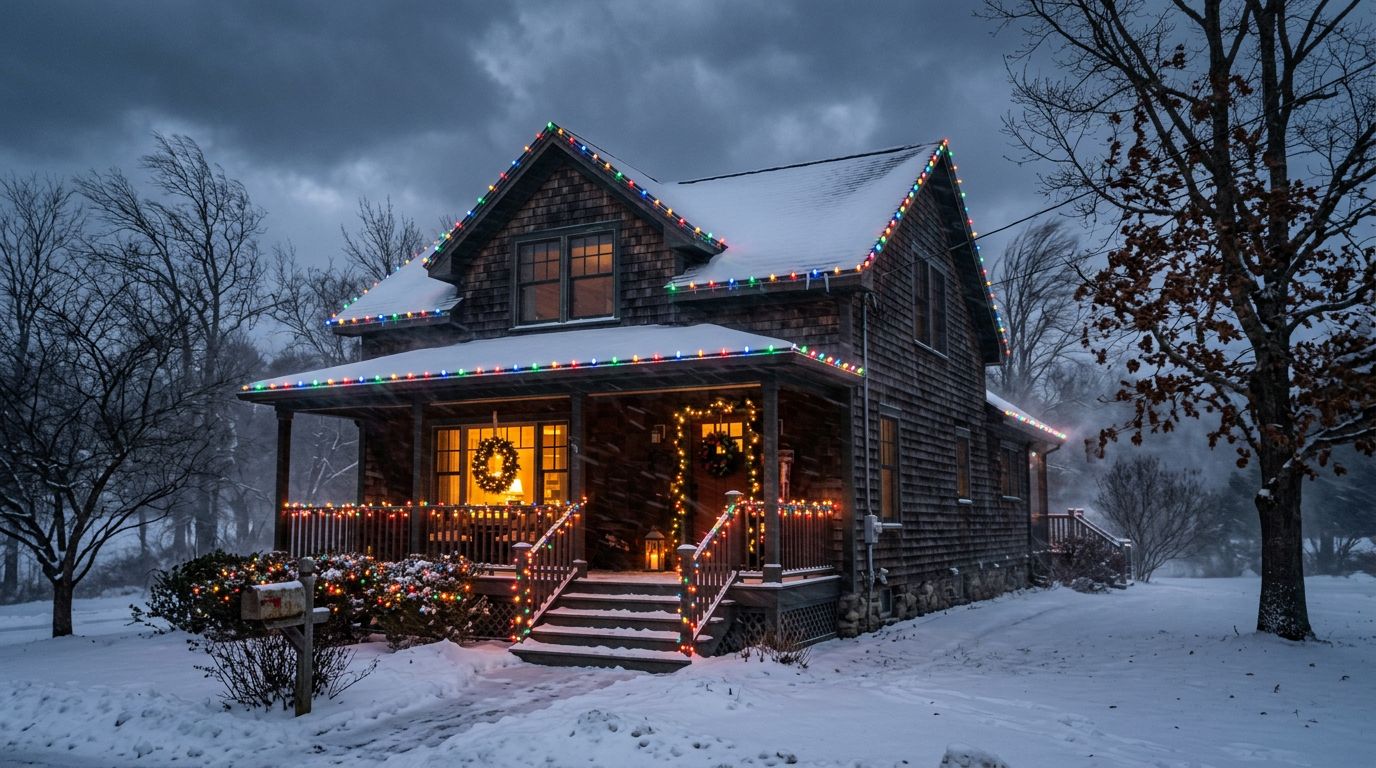
The problem gets worse when strong gusts hit. A single 40 mph wind burst can rip an entire section of lights off your roofline. Inflatables can go airborne. And rooftop decorations can slide right off the shingles. Here in North Texas, we see wind speeds climb fast during winter cold fronts.
Here are the main ways wind damages holiday lighting:
- Detachment – Clips and fasteners pop loose, sending strands falling to the ground.
- Tangling – Loose lights whip around and knot up, which stresses the wiring.
- Cord separation – Wind pulls apart connections, cutting power to whole sections.
- Bulb damage – Constant swaying causes bulbs to crack or work loose from sockets.
- Roof damage – Poorly attached lights can pull up shingles or gutters when they get yanked.
- Inflatable failure – Blow-up decorations tip over or tear away from their anchors.
Understanding these risks is the first step. Once you know HOW wind causes trouble, you can plan a display that fights back.
Best Methods for Securing Christmas Lights in High Wind
Securing lights properly takes more than just clipping them on and hoping for the best. You need a layered approach that addresses every weak point. We use these exact methods on our commercial jobs, where displays must survive tall buildings and open parking lots. If you run a business, our team specializes in securing commercial Christmas lights in high winds for storefronts across the metroplex.
Follow these steps in order for the strongest hold possible:
- Choose the right clips first. Match your clips to the surface. Gutter clips, shingle tabs, and brick fasteners all serve different spots. Never force one type into the wrong place.
- Space your clips closer together. In windy areas, place clips every 6 to 8 inches instead of the usual 12. More contact points mean less movement.
- Pull strands taut. Sagging lights catch wind like a sail. Keep every run snug against the surface so wind has nothing to grab.
- Anchor the ends securely. The start and finish of each strand take the most stress. Double-clip these points or use a zip tie for extra hold.
- Secure all cord connections. Wrap junctions with electrical tape or use cord locks. Loose plugs are the number one cause of blackouts.
- Add backup support with zip ties. On high-risk sections like peaks and corners, run a zip tie around the strand and a fixed point. This stops the whole line from failing.
- Weigh down or stake ground decorations. Use sandbags, stakes, and tethers on anything sitting on the lawn.
These steps work together. Skipping even one can leave a weak spot that wind will find.
What Clips and Fasteners Work Best for Windy Conditions
Not all clips are created equal. The fastener you pick depends on where the lights go and how much wind that area gets. Let us break down the best options.
All-in-One Gutter and Shingle Clips
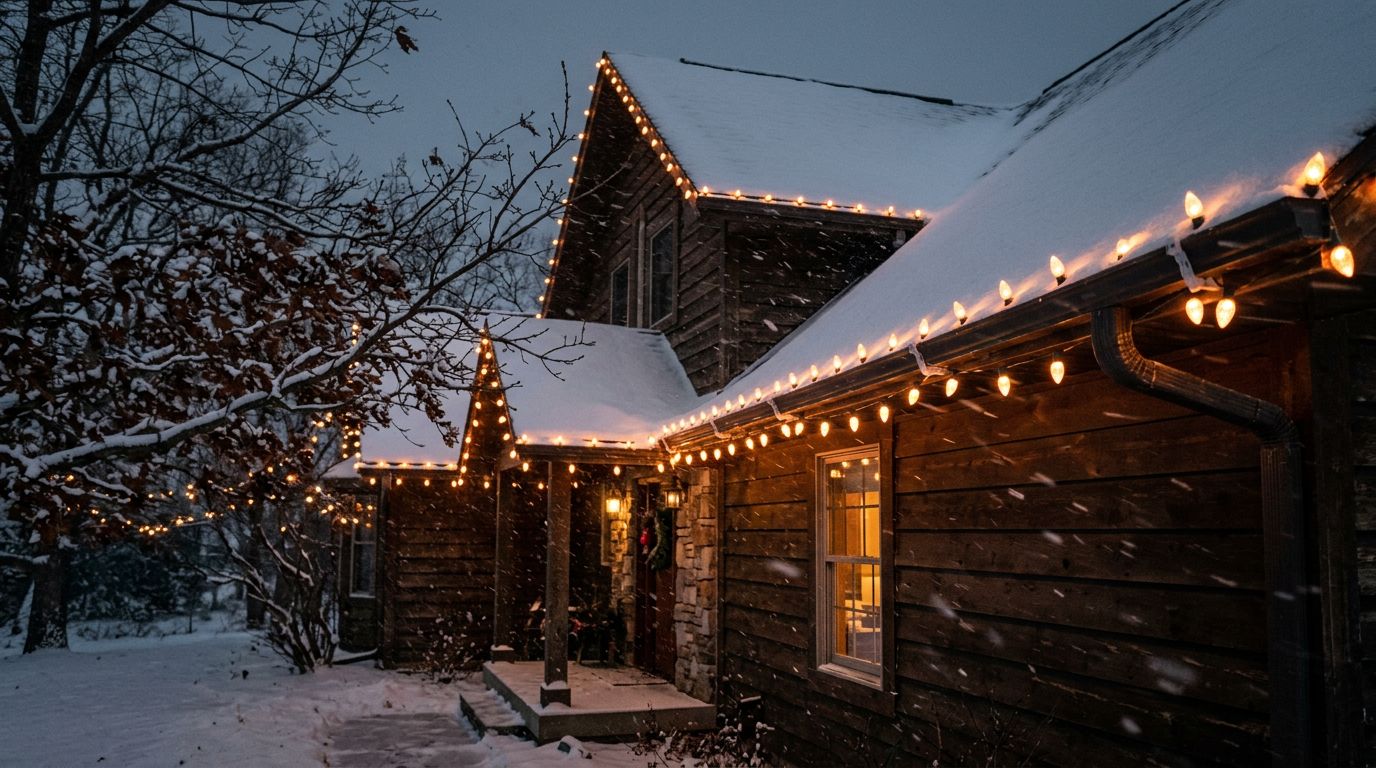
These are our go-to for most rooflines. They grip the shingle edge or slide onto the gutter lip. The two-way design holds bulbs facing up or out. For windy spots, look for clips with a deep notch that locks the bulb base in place so it cannot pop free.
Brick and Masonry Clips
For homes with brick or stone exteriors, adhesive brick clips are a lifesaver. They stick to the mortar without drilling. Just make sure the surface is clean and dry before you apply them. In high wind, we recommend the stronger commercial-grade adhesive versions.
Zip Ties for Backup Anchoring
Zip ties are the unsung hero of wind-proofing. They are cheap, strong, and easy to hide. Use them at corners, peaks, and any spot that takes a direct wind hit. Black or clear ties disappear against most surfaces. Just do not cinch them so tight that they crush the wire.
S-Hooks and Screw Eyes for Permanent Runs
If you want a lasting solution, screw eyes and S-hooks give you a reusable anchor point. These are ideal for wrapping columns, railings, and pergolas where clips will not hold. Many of our permanent lighting customers love this method because setup gets faster every year.
Heavy-Duty Stakes for Ground Displays
Lawn stakes for light strands and pathway markers need to be metal, not the flimsy plastic ones that come in kits. Drive them deep. For inflatables, use the included stakes PLUS extra tie-downs to the ground or a fence.
How to Weatherproof Outdoor Christmas Light Connections
Wind and moisture go hand in hand during Texas winters. A cold front brings gusts AND rain. That combination is brutal on electrical connections. If water gets into a plug while wind is tugging on it, you risk short circuits and tripped breakers. We treat every connection like it will get soaked, because sooner or later it will.
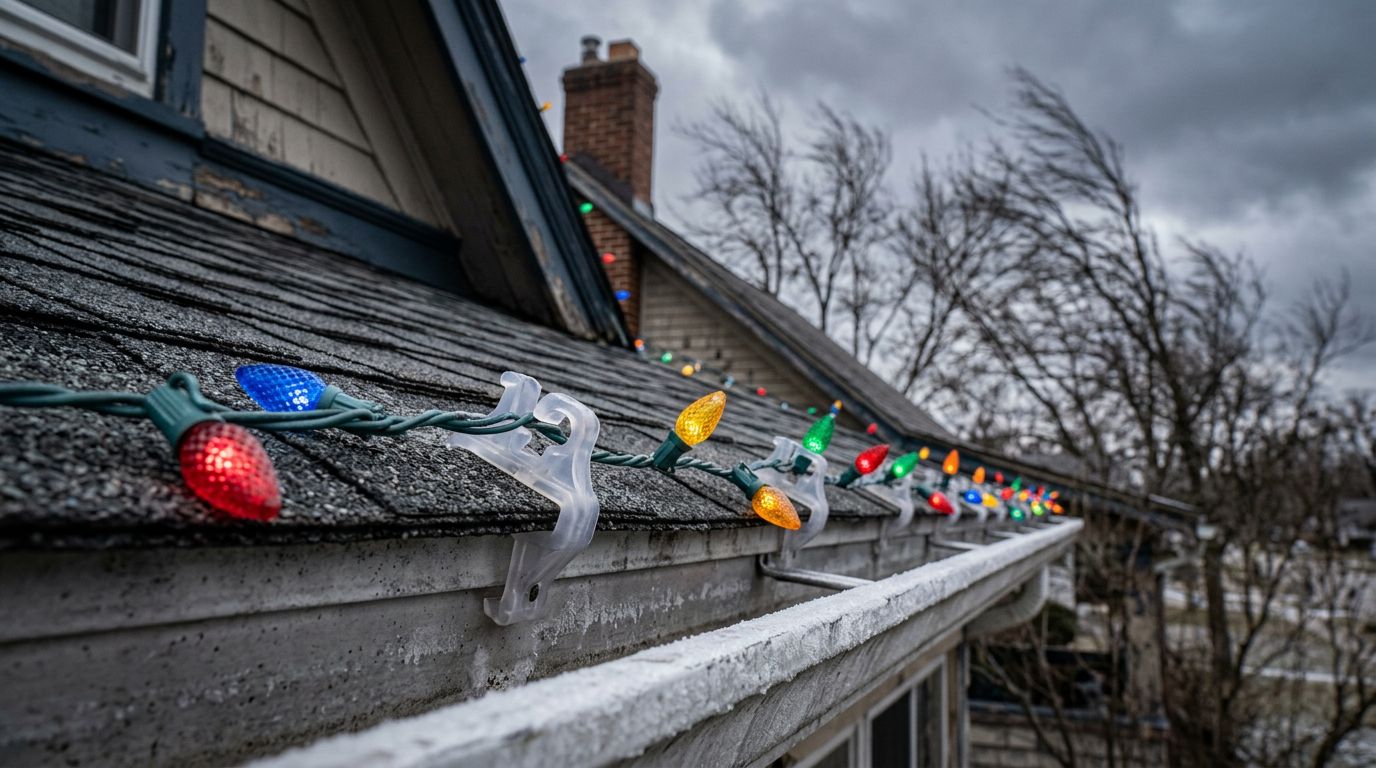
Weatherproofing your connections is not hard, but it does take a few extra minutes. If you want a full breakdown of handling North Texas conditions, check out our guide on Christmas lights installation and Texas weather.
Here is how we keep connections safe and dry:
- Use outdoor-rated extension cords. Indoor cords are not built for moisture and can fail fast outside.
- Wrap plug connections in electrical tape. A few wraps around each junction keeps water out and holds the plug together in wind.
- Try connection cover boxes. These plastic enclosures snap over plugs to shield them from rain and gusts.
- Elevate connections off the ground. Keep plugs from sitting in puddles or on wet grass. Hang them or set them on a dry surface.
- Point plugs downward. When possible, angle connections so water drips away instead of pooling inside.
- Use a GFCI outlet. This shuts off power if it senses a fault, which protects your home and your family.
- Coil excess cord neatly. Loose loops of cord flap in wind and stress the connection points.
A little prep here saves you from midnight trips outside to reset a breaker in the cold.
Safety Tips for Hanging Christmas Lights in Windy Weather
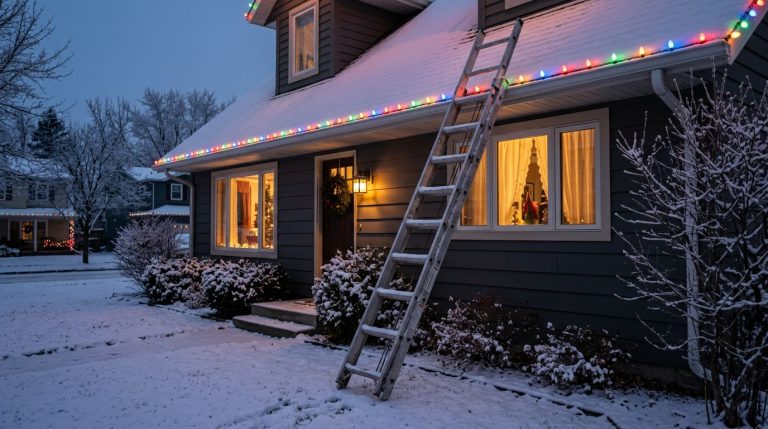
Your safety matters more than any display. Windy conditions make ladder work dangerous, and rushing leads to accidents. We follow strict safety rules on every job, and you should too. For a deeper dive, our Christmas light installation safety guide covers everything from ladder setup to electrical basics.
Never Install During Active Wind
This one seems obvious, but people do it all the time. If the wind is already gusting, wait for a calm window. A ladder on a windy day is an accident waiting to happen. Check the forecast and pick a still, dry morning.
Use a Ladder Stabilizer
A ladder stabilizer spreads your weight across the roofline and keeps the ladder from shifting. Even a light breeze can make an unsecured ladder wobble. Always have a helper hold the base too.
Keep Three Points of Contact
When climbing, always keep two hands and one foot, or two feet and one hand, on the ladder. Do not overreach. Move the ladder instead of stretching for that last clip. Falls happen when people get lazy about repositioning.
Check for Damaged Wires First
Before you hang anything, inspect every strand. Frayed wires, cracked sockets, and bent prongs are fire hazards. Wind stresses damaged spots even more. Toss any strand that looks worn.
Avoid Power Lines
Keep yourself, your ladder, and your lights well away from overhead power lines. Wind can push a strand or ladder into contact with a line, and that is deadly serious. When in doubt, call a professional.
Do Not Overload Circuits
Connecting too many strands end to end can overload a circuit and cause overheating. Follow the manufacturer limits for how many strings you can link. Spread your display across multiple outlets when needed.
Common Mistakes to Avoid When Securing Lights Against Wind
We get called out to fix a lot of DIY displays after the first storm. Almost every failure traces back to the same handful of mistakes. Learn from what we see so you do not repeat them. A little extra attention up front prevents a whole season of headaches.
Here are the errors that cost people the most:
- Spacing clips too far apart. Wide gaps let strands sag and flap. Close spacing is your best defense in windy zones.
- Leaving strands loose. Slack lights catch wind and pull themselves down. Always keep runs taut.
- Using tape as the main attachment. Tape peels off in cold and wind. It works for sealing connections, not for holding lights.
- Ignoring the corners and peaks. These high spots take the worst wind. They need extra anchoring, not the same treatment as flat runs.
- Skipping cord management. Dangling cords flap and disconnect. Secure every foot of cord.
- Forgetting ground decorations. Inflatables and lawn stakes need weights and tethers, not just the included pegs.
- Reusing broken clips. Old, cracked clips lose their grip. Replace them each year instead of pushing worn ones back into service.
- Waiting until wind arrives. Once the gusts start, it is too late to secure loose sections safely. Prep ahead of the forecast.
Avoiding these mistakes puts you way ahead of the average holiday display. Wind will test your setup, but a careful install will pass every time.
Conclusion
Wind does not have to ruin your holiday season. With the right clips, tight strands, weatherproofed connections, and a little planning, your Christmas lights can stand up to whatever North Texas throws at them. Remember to space your clips close, anchor the high-risk spots, and always put safety first when working on a ladder.
At DFW Christmas Light Installs, we bring professional-grade wind-proofing to homes and businesses across Watauga, Hurst, Euless, Richland Hills, Colleyville, Fort Worth, Arlington, and Dallas. Whether you want a stunning residential display, a synchronized lighting show, or a permanent holiday lighting setup, our team makes sure it stays secure all season long. Let us handle the heavy lifting so you can simply enjoy the lights.