Weather Effects On Christmas Lights (Safety & Tips)
Here in North Texas, the holiday season brings a mix of everything. One day it is sunny and 70 degrees. The next morning you wake up to frost, sleet, or a cold north wind that rattles the windows. That is exactly why understanding the weather effects on Christmas lights matters so much. Your lights need to shine bright through it all, and they need to do it SAFELY.
At DFW Christmas Light Installs in Watauga, we have seen how quickly the weather can turn. We install lights across Hurst, Euless, Colleyville, Fort Worth, and beyond. In this guide, we will walk you through how rain, snow, cold, and wind affect your holiday display, plus simple tips to keep everything glowing and secure all season long.
Are Christmas Lights Safe to Use in Rain and Snow?
The short answer is YES, as long as your lights are rated for outdoor use. Modern outdoor Christmas lights are built to handle moisture. The problems usually start when people use indoor-only lights outside or when connections are left exposed to standing water. That combination can trip breakers, damage cords, and in rare cases create a shock hazard.
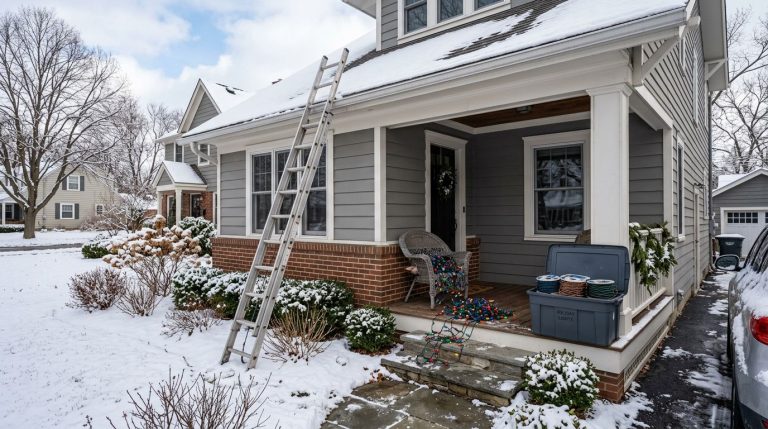
Rain and light snow are generally fine for properly installed outdoor lights. The key is making sure your electrical connections stay dry and elevated. If you plan your setup right, a little Texas drizzle or a surprise snow flurry will not be a problem. For a deeper look at how our local climate plays into lighting choices, check out our guide on installing Christmas lights in Texas weather.
- Only use lights and cords marked for OUTDOOR use.
- Keep plug connections off the ground and out of puddles.
- Use outdoor-rated extension cords with covered plug ends.
- Plug into a GFCI outlet to prevent shock and tripping.
- Never handle lights or connections with wet hands.
- Inspect cords for cracks or frayed spots before hanging.
How Cold Weather Affects Christmas Light Performance
Cold weather does not stop your lights from working, but it can change how they behave. North Texas winters swing hard between mild and freezing, and those temperature drops put stress on materials. Here is what you should know.
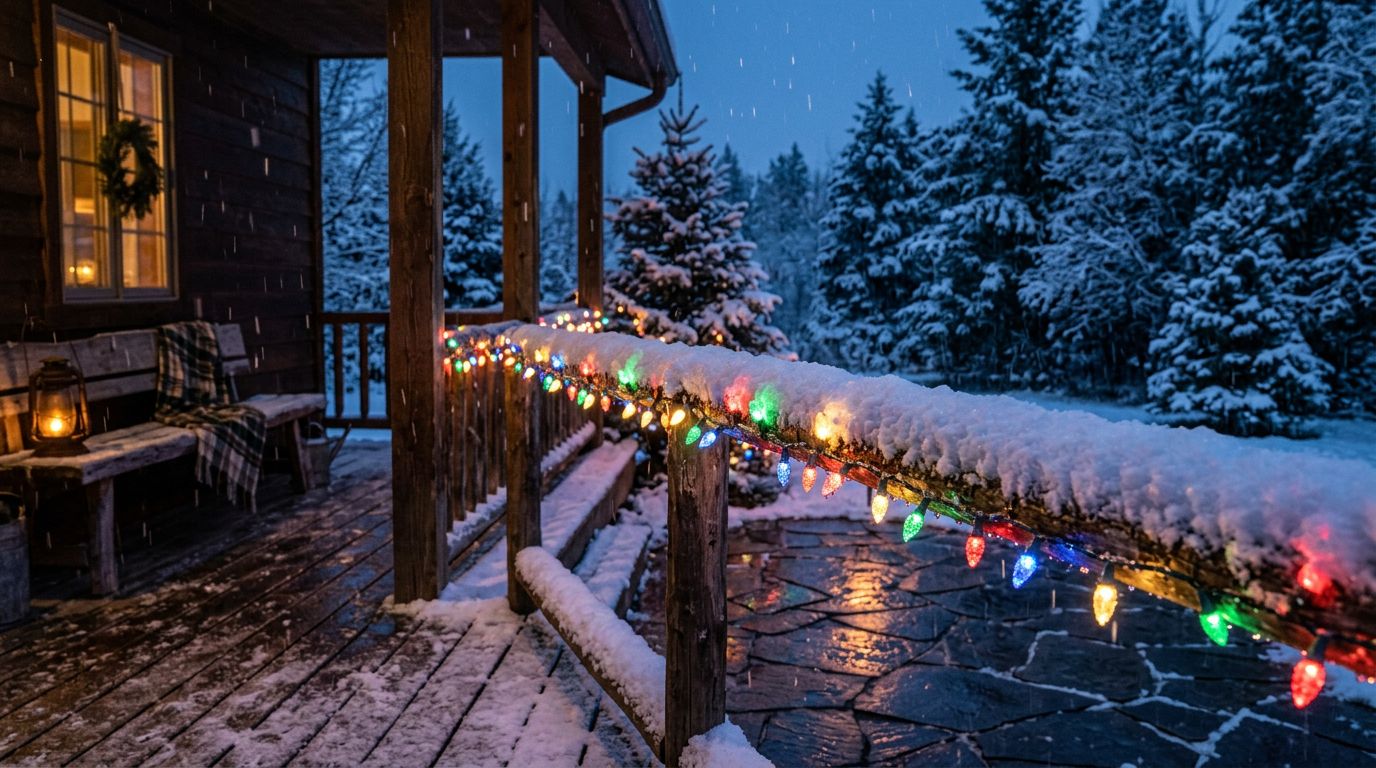
Brittle Wires and Cracked Bulbs
When temperatures drop, plastic and wire coatings get stiff. Older strands become brittle and can crack if you bend or move them. That is why we recommend hanging lights BEFORE the deep cold sets in. Trying to reposition frozen strands often leads to broken bulbs and split cords.
LED vs Incandescent in the Cold
LED lights actually love the cold. They run efficiently and stay cool to the touch even in freezing temps. Incandescent bulbs generate heat, which can be a small plus in ice, but they also draw more power and are more fragile. For most homes, LEDs are the smarter cold-weather pick.
Battery-Powered Displays Struggle
If you use any battery-operated decorations, cold weather will drain those batteries FAST. Lithium batteries hold up better than standard alkaline in the cold, but expect shorter run times overall. For reliable performance, hardwired or plug-in lights are the way to go.
Condensation Inside Bulbs
Rapid temperature swings can cause moisture to form inside sealed bulb housings. This is more common with cheaper lights. Quality outdoor-rated strands are sealed better and resist this problem, which keeps your display bright and consistent.
Can Wind and Storms Damage Outdoor Holiday Lights?
Absolutely. Wind is one of the biggest threats to an outdoor Christmas display, especially for taller homes and commercial buildings. A strong gust can rip lights off a roofline, snap clips, and send inflatables tumbling down the street. Texas storms can arrive with little warning, so proper securing is critical. If you manage a business property, our tips on securing commercial Christmas lights in high winds are worth a read.
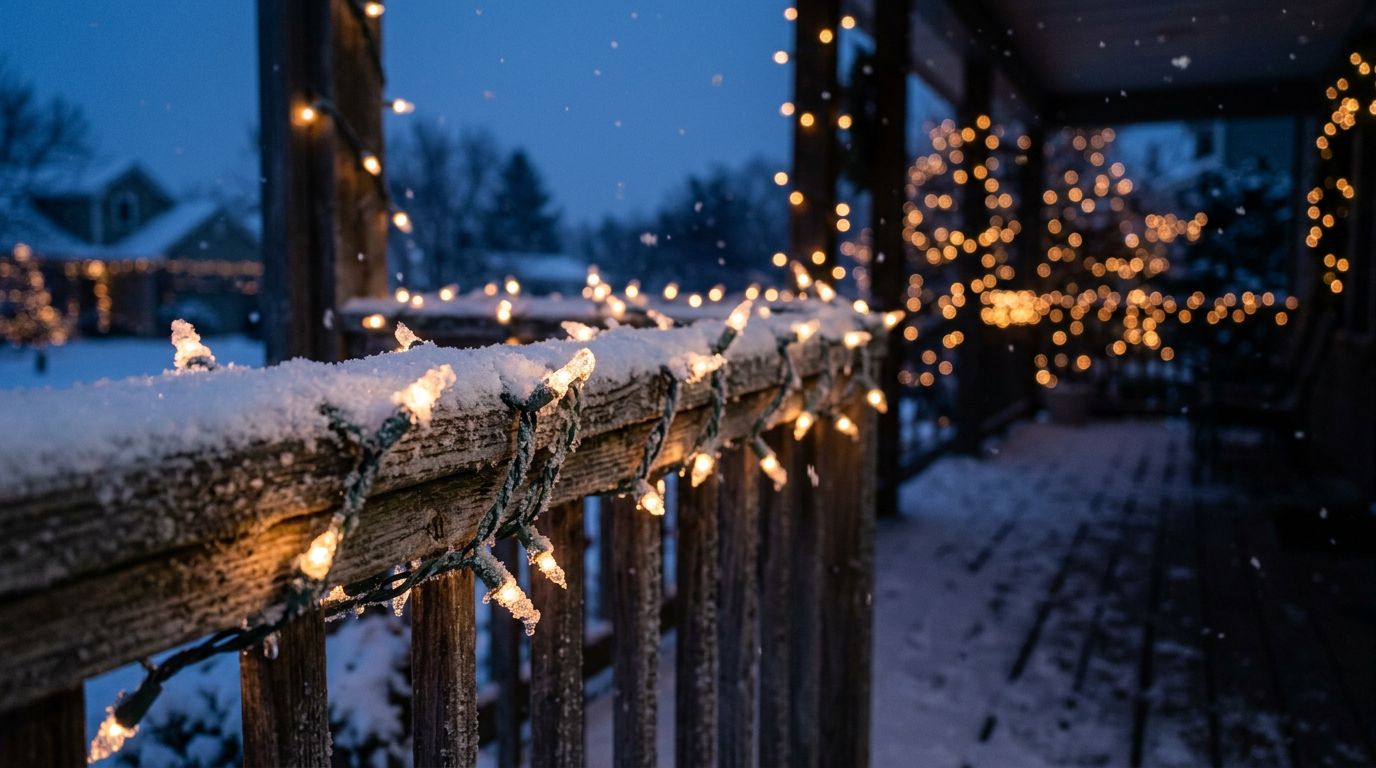
- Loose strands become sails. Wind catches slack lights and yanks them free from clips and hooks.
- Roofline lights can tear away. Poorly fastened lights along gutters and peaks are the first to go.
- Inflatables and figures topple. Yard decorations need stakes and tie-downs or they will blow over.
- Connections pull apart. Wind stress can separate plugs, killing power to whole sections.
- Falling limbs cause damage. Storms drop branches that crush lights and snap wires.
Best Weatherproof Christmas Lights for Outdoor Use
Choosing the right lights makes a HUGE difference in how your display survives the season. Not all Christmas lights are created equal. When we install for homes and businesses across Arlington, Dallas, and Richland Hills, we always use commercial-grade, weather-rated products. Here is what to look for when shopping for durable outdoor lights.
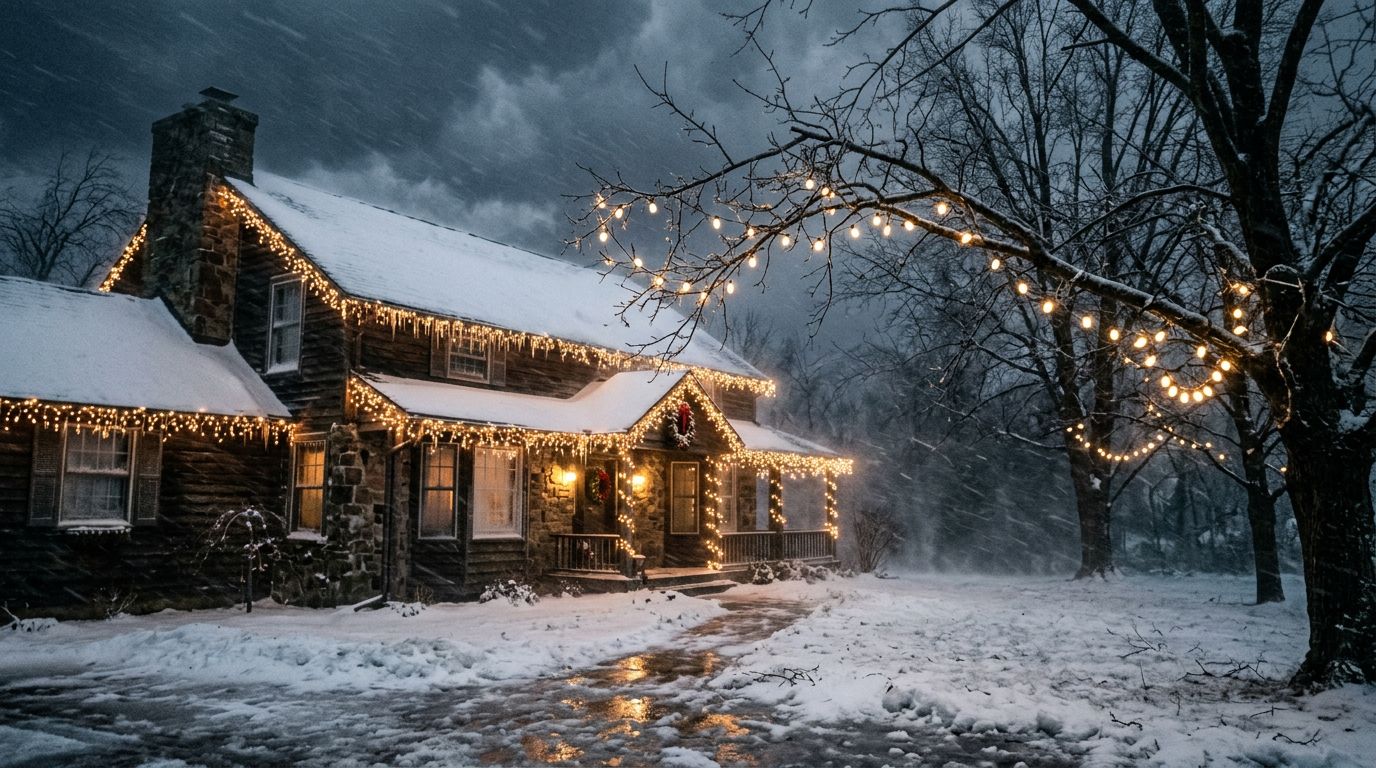
- Commercial-grade LED strands that resist cold and hold color well.
- Coaxial or wide-angle bulbs with sealed bases to keep moisture out.
- UL-listed for outdoor use so you know they meet safety standards.
- Heavy-gauge wiring that stands up to wind and repeated handling.
- Weatherproof plug connections that snap together tightly.
- Permanent track lighting that stays mounted year-round and hides when off.
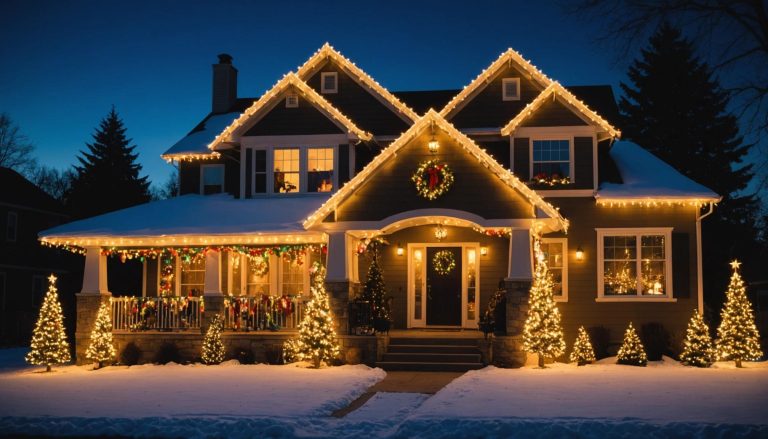
Permanent holiday lighting is a favorite for homeowners who want a clean, durable option. These systems mount along your roofline and handle Texas weather beautifully, so you never have to climb a ladder again.
Tips for Protecting Christmas Lights From Weather Damage
A little prevention goes a long way. Most weather-related light failures come down to how the display was installed and maintained. Follow these steps to keep your lights bright and safe from the first cold snap to New Year. Safety always comes first, and our Christmas light safety guide covers even more detail.
- Install before freezing weather. Hang lights while strands are still flexible to avoid cracks.
- Use a GFCI outlet. It shuts off power the instant it senses a fault, protecting you and your home.
- Elevate all connections. Keep plugs off the ground and wrap junctions with weatherproof tape or covers.
- Secure with the right clips. Use gutter and shingle clips instead of staples or nails that damage wires.
- Leave slack out of strands. Pull lines snug so wind cannot whip them around.
- Stake down yard pieces. Anchor inflatables and figures with heavy stakes and tie-downs.
- Check after storms. Walk your property after high wind or rain to catch loose sections early.
- Store properly off-season. Dry, wound strands last far longer than tangled ones tossed in a box.
Common Weather-Related Christmas Light Problems and Fixes
Even with a great setup, weather can throw a few curveballs. Below are the most common issues we see across Watauga and the surrounding cities, along with quick fixes to get your display glowing again.
A Whole Section Goes Dark
This usually means a plug connection pulled apart in the wind or a GFCI outlet tripped from moisture. First, reset the GFCI. Then check that every plug is fully seated and dry. A little dielectric grease on connections helps keep water out going forward.
Lights Flicker in Cold Weather
Flickering often points to a loose bulb or a stressed connection that expanded and contracted with temperature changes. Gently press bulbs back into their sockets and check the strand for any loose plug ends. Replace any bulb that looks foggy or cracked.
Water Inside the Bulbs
Condensation or leaks mean the seal has failed. There is no true fix for a compromised bulb, so swap it out with a matching replacement. If it happens across a whole strand, that set may be past its prime and worth replacing with better-sealed lights.
Lights Blew Off the Roof
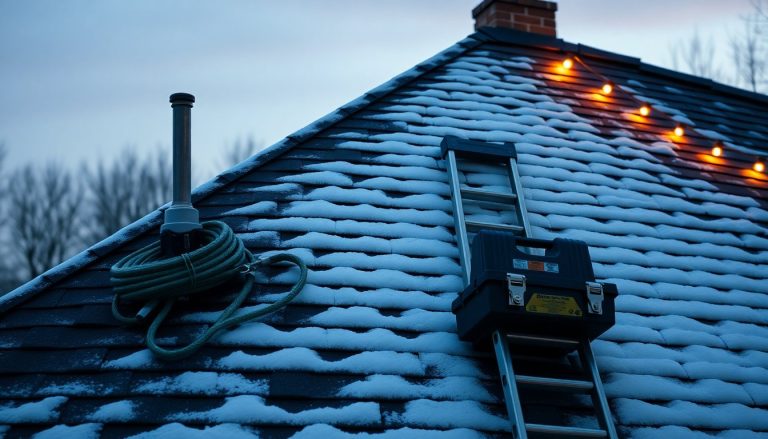
When strands come loose after a storm, do NOT leave them dangling. Hanging lights can short out or become a hazard. Unplug the section, then re-secure it with proper clips once the weather clears. If your roofline is high, this is a good time to call in a pro.
Blown Fuse After Rain
Many strands have a small fuse in the plug. Moisture or an overload can blow it. Slide open the plug door, replace the fuse with the correct amperage, and make sure the connection is dry before powering back up. Never oversize the fuse to force it to work.
Tripping Breakers Repeatedly
If your breaker keeps tripping, you likely have too many lights on one circuit or water intruding somewhere. Spread the load across multiple outlets and inspect every connection for moisture. Persistent tripping is a warning sign that should not be ignored.
Conclusion
Texas weather keeps us on our toes, but it does not have to ruin your holiday display. The keys are simple. Use quality outdoor-rated lights, secure everything against wind, keep connections dry and elevated, and install before the deep cold arrives. Do those things and your lights will shine bright through rain, snow, and gusty storms.
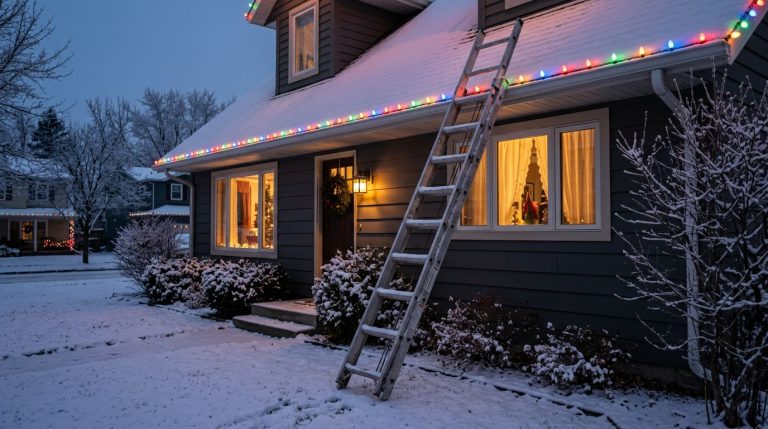
If climbing ladders in freezing weather is not your idea of holiday fun, we are happy to handle it for you. DFW Christmas Light Installs proudly serves Watauga, Hurst, Euless, Richland Hills, Colleyville, Fort Worth, Arlington, and Dallas with professional, weatherproof installations. Reach out today and let us make your home or business glow SAFELY all season long.